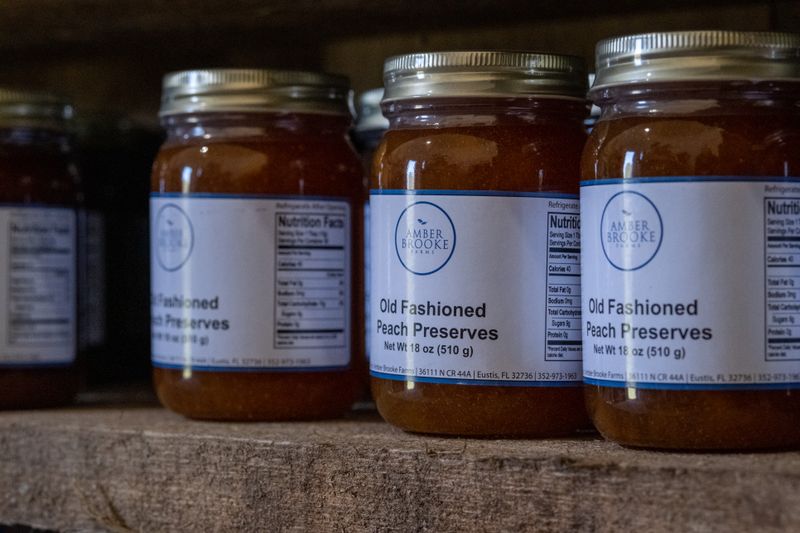
A homemade syrup looks shelf-stable — it's mostly sugar, after all — but "mostly sugar" isn't the same as "safe indefinitely." Sugar concentration, how clean the jar was before filling, how the syrup was cooled, and where it's kept afterward all affect how long it stays safe to eat, not just how long it tastes good. Store-bought syrups get their long shelf life from controlled sugar concentration, sterilized packaging, and sometimes preservatives; a homemade batch made in a regular kitchen needs its own realistic rules rather than borrowing a commercial product's stated shelf life.
Why Sugar Concentration Is the Main Safety Factor
Sugar preserves food by binding water, making it unavailable to the bacteria, yeast, and mold that need free water to grow. A syrup with a high sugar-to-water ratio, like a rich 2:1 simple syrup, resists spoilage far longer than a lightly sweetened fruit syrup with more water in the mix. This is why thinner, more diluted homemade syrups — fruit syrups in particular — need more conservative storage timelines than a straight, concentrated sugar syrup.
Sterilizing Jars: Why It Actually Matters
Pouring hot syrup into a jar that wasn't properly cleaned introduces bacteria or mold spores right at the start, giving spoilage a head start regardless of how much sugar the syrup contains. Washing jars in hot, soapy water and then either running them through a dishwasher's hot cycle or briefly boiling them, and letting them air dry completely before filling, removes that risk at minimal effort. Pouring the syrup in while it's still hot, rather than after it's cooled, also helps by briefly heating the inside of the jar as it's filled.
Cooling Before Sealing and Refrigerating
Syrup should cool to close to room temperature before going into the refrigerator sealed, since sealing a jar of hot liquid traps steam that condenses into extra moisture on the inside of the lid, which can encourage mold growth right where the syrup meets the air. Leaving the jar loosely covered while it cools, then sealing it once it's no longer steaming, avoids that trapped-moisture problem.
Realistic Shelf Life by Syrup Type
A plain, concentrated sugar syrup keeps the longest, often a month or more refrigerated. A fruit syrup, with its lower sugar concentration and added natural water from the fruit, has a shorter realistic window, typically two to three weeks refrigerated. Any syrup containing dairy, egg, or significant added fat — closer to a sauce than a true syrup — should be treated with the much shorter shelf life appropriate to those ingredients, generally just a week or so, rather than assumed to share a plain syrup's longevity.
Signs a Syrup Has Gone Bad
Visible mold, whether fuzzy spots or colored growth anywhere on the surface or jar walls, means the whole batch should be discarded, not just skimmed off the top. Cloudiness that develops after the syrup was originally clear, a sour or off smell, or small bubbles forming on their own, which can indicate unwanted fermentation, are all signs to throw a batch out even without visible mold. When in doubt, the safe move is always to discard rather than taste-test a questionable batch.
Refrigerator vs Pantry vs Freezer
Refrigeration is the safe default for nearly all homemade syrups and significantly extends usable life compared to room-temperature storage. A handful of very high-sugar-concentration syrups can hold up at room temperature in a sealed, sterilized bottle for a limited stretch, but this is the exception, not the rule, and fruit-based syrups in particular should not be left unrefrigerated for extended periods. Freezing is an option for longer-term storage of syrups that aren't needed right away, though some texture changes can occur on thawing.
| Syrup type | Typical refrigerated shelf life | Key risk factor |
|---|---|---|
| Plain concentrated sugar syrup (2:1) | About 2 months | Low risk; mainly contamination from a dirty jar |
| Standard simple syrup (1:1) | About 1 month | Lower sugar concentration than rich syrup |
| Fruit syrup | 2–3 weeks | Added water content from the fruit |
| Syrup containing dairy or fat | About 1 week | Perishable ingredients beyond sugar and water |
Common mistakes
- Pouring hot syrup into a jar that wasn't properly washed and dried first.
- Sealing a jar while the syrup is still hot and steaming, trapping moisture under the lid.
- Assuming all homemade syrups share the same shelf life as a concentrated commercial syrup.
- Skimming visible mold off the top and continuing to use the rest of the batch.
- Leaving a fruit-based syrup unrefrigerated for days, assuming its sugar content alone makes it shelf-stable.
Frequently asked questions
- Do I need to sterilize jars for short-term fridge storage?
- A thorough hot wash is generally enough for syrup that will be refrigerated and used within a few weeks; full canning-style sterilization matters more for longer, room-temperature storage.
- Can I just reboil a syrup that looks slightly off to make it safe again?
- No. Reheating can kill some active growth but doesn't reliably remove toxins or reverse spoilage, so a syrup showing signs of mold, off smell, or fermentation should be discarded rather than reboiled and reused.
- Is it safe to store syrup in a plastic squeeze bottle instead of glass?
- Yes, as long as the bottle is food-safe, clean, and fully dry before filling; glass is easier to inspect for cloudiness or mold but plastic works fine otherwise.
- How can I tell if my syrup has started fermenting instead of just going bad in some other way?
- Small bubbles forming on their own, a slightly fizzy or yeasty smell, or a change in smell toward something boozy or sour are typical signs of fermentation starting.
Sources: official food-safety guidance on home food preservation and safe storage temperatures; published food science references on sugar concentration, water activity, and spoilage risk in homemade preserves.