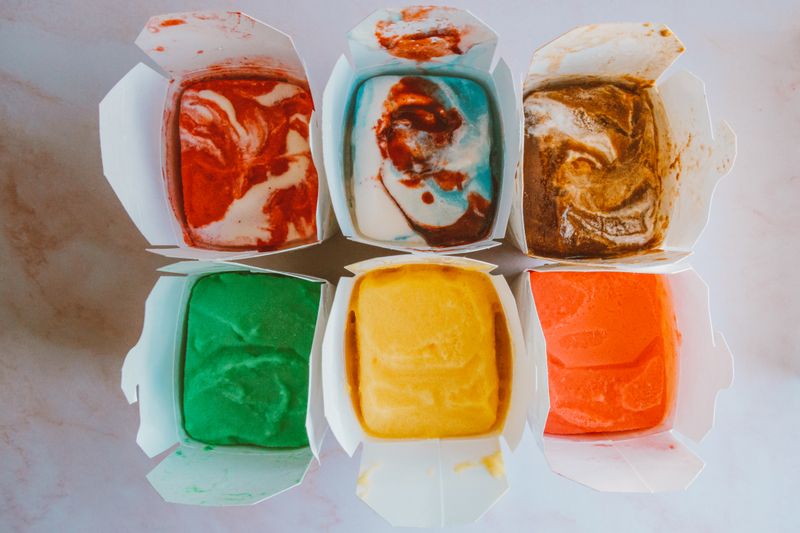
Freezing is the most powerful tool a home cook has for making sauce work pay off twice: a double batch of gravy, a big pot of tomato sauce, or extra simple syrup can all be portioned and frozen for later instead of lingering in the fridge until they need to be thrown out. But freezing is not neutral — ice crystals, fat separation, and protein breakdown can all leave a once-silky sauce looking curdled, grainy, or watery after thawing. The good news is that most of these problems are predictable, and once you understand why they happen, you can either avoid them with how you freeze and thaw, or fix them afterward with a short burst of whisking, blending, or gentle reheating. This guide covers which sauces and syrups hold up well in the freezer, which ones are prone to separating, and the specific steps that bring a frozen sauce back to something close to its original texture.
Why Freezing Changes Texture
When a sauce freezes, the water inside it forms ice crystals that expand and push against everything else in the mixture: fat droplets, protein strands, starch molecules. In an emulsified sauce, this physical disruption can force the fat and water apart permanently, which is why a frozen-and-thawed hollandaise often looks broken even though nothing was technically wrong with how it was made. In a starch-thickened sauce, the structure that gelatinized starch built during cooking can partially collapse on thawing, releasing water in a process commonly called syneresis, which shows up as a thin, watery layer sitting on top of a now-looser sauce. Sugar-heavy syrups behave differently again: sugar actually lowers the freezing point and limits ice crystal formation, which is part of why syrups tend to freeze and thaw far more gracefully than cream- or egg-based sauces.
Sauces That Freeze Well
As a rule, sauces without dairy, eggs, or a delicate emulsion freeze the most reliably. Tomato-based sauces, meat gravies thickened with a simple roux, chili-style sauces, pesto made without excess fresh herb water, and most syrups fall into this category. Their structure is either robust enough to tolerate ice crystal disruption or simple enough that a quick stir after thawing restores the original consistency. Oil-based sauces like chimichurri or vinaigrette also freeze reasonably well, although the oil may need re-whisking once thawed since it can separate out and look cloudy or solidified in the cold.
Sauces That Struggle in the Freezer
Cream-based sauces, delicate emulsions like hollandaise or mayonnaise, and anything thickened primarily with egg yolk are the most likely to come out of the freezer looking wrong. Cream itself can separate into visible fat and watery liquid on thawing, giving the sauce a curdled or grainy appearance even if the flavor is unaffected. Egg-based emulsions are especially fragile because freezing disrupts the fine network that keeps fat droplets suspended in the egg's proteins, and once that network breaks, it rarely goes back together just by thawing. Fresh dairy-based custards and pastry creams share this problem, often turning watery and lumpy after a freeze-thaw cycle.
How to Freeze Sauces for the Best Results
Cooling a sauce quickly and completely before it goes into the freezer matters as much as the freezing itself, since slow cooling allows larger, more damaging ice crystals to form once freezing begins. Portion sauces into the size you'll actually use — ice cube trays for small amounts of pesto or stock-based sauce, flat freezer bags laid out thin for gravies and tomato sauces, and small rigid containers for syrups — so you thaw only what you need and the sauce freezes faster due to its thinner profile. Leaving a little headspace in rigid containers prevents cracking as liquid expands when it freezes, and pressing air out of a freezer bag before sealing reduces both freezer burn and oxidation.
Thawing Without Making It Worse
The safest and gentlest way to thaw most sauces is in the refrigerator overnight, which keeps the temperature change gradual and reduces the shock that causes separation. For a faster option, a sealed bag of frozen sauce can sit in a bowl of cold water, with the water refreshed occasionally. Avoid thawing cream- or egg-based sauces at room temperature for extended periods, since that combines the texture risk of thawing with a food-safety risk from the sauce sitting too long in a temperature range where bacteria multiply quickly.
Re-Emulsifying and Fixing a Sauce After Thawing
Many sauces that look broken after thawing can be rescued with gentle reheating and vigorous whisking, which re-disperses fat that has pooled on the surface. For a tomato sauce or gravy that looks watery, a short simmer with occasional stirring usually re-thickens it as excess liquid reduces. For a cream sauce that has separated, whisking in a small splash of fresh cream or milk while reheating gently over low heat can help bring it back together, though it may never be perfectly as smooth as it was before freezing. A broken egg-based emulsion like hollandaise is the hardest to fully rescue; whisking it into a small amount of fresh egg yolk over very gentle heat sometimes works, but in many cases it's simpler to treat frozen hollandaise as a lost cause and make it fresh instead.
How Different Sauces and Syrups Hold Up
| Sauce or syrup type | Freezes well? | Typical issue after thawing |
|---|---|---|
| Tomato sauce, gravy, roux-thickened sauces | Yes | Slightly watery; fixed by a short simmer |
| Simple syrup, fruit syrup | Yes | Minimal change; stir before use |
| Pesto, chimichurri, oil-based herb sauces | Mostly yes | Oil separation; re-whisk after thawing |
| Cream-based sauces (alfredo, mushroom cream) | Not reliably | Grainy, curdled appearance |
| Hollandaise, mayonnaise, egg emulsions | No | Broken emulsion, often unfixable |
| Caramel, dulce de leche, butterscotch | Yes | May need gentle reheating to loosen |
Common mistakes
- Freezing a sauce in one large block, which freezes and thaws unevenly and forces you to defrost far more than you need.
- Skipping labels and dates, which leads to guessing how long something has been frozen and whether it's still worth using.
- Freezing a finished hollandaise or mayonnaise expecting it to thaw back to its original silky state.
- Thawing cream- or egg-based sauces at room temperature for hours instead of in the refrigerator or a cold water bath.
- Reheating a thawed sauce at high heat, which can make separation worse instead of helping the sauce come back together.
- Overfilling rigid containers with liquid sauce, causing cracked containers or lids as the liquid expands while freezing.
Frequently asked questions
- Can I freeze a sauce that already has cream in it?
- You can, but expect some texture change on thawing, usually a slightly grainy or separated look. It often still tastes fine and can be smoothed out somewhat with gentle reheating and whisking, or by stirring in a splash of fresh cream, but it rarely returns to being perfectly silky.
- Why does my frozen tomato sauce look watery when it thaws?
- This is a normal effect of ice crystals disrupting the sauce's structure during freezing, which releases some of the water that was bound into it during cooking. A short simmer on the stovetop after thawing usually re-thickens the sauce as the extra liquid evaporates.
- Is it safe to refreeze a sauce after it has been thawed?
- Refreezing is generally discouraged for food-safety and quality reasons once a sauce has fully thawed, especially for dairy- or egg-based sauces. If you know in advance you won't use all of a batch, it's better to freeze it in smaller portions from the start rather than thawing a large amount and refreezing part of it.
- Do syrups need any special preparation before freezing?
- Not much. Because sugar limits ice crystal formation, most syrups freeze and thaw cleanly with just a stir afterward. Leaving headspace in the container is still worth doing, since the syrup will expand slightly as it freezes.
- How long can a sauce or syrup actually stay in the freezer?
- This varies by composition and how well it was packaged, and freezing mainly affects quality and texture rather than safety over time, provided the freezer stays consistently cold. If you're unsure about a specific sauce, it's worth checking current official food-safety guidance for frozen food storage rather than relying on a single fixed number.
Sources: official food-safety guidance on freezing and thawing cooked foods, published culinary technique references on emulsification and starch gelatinization.