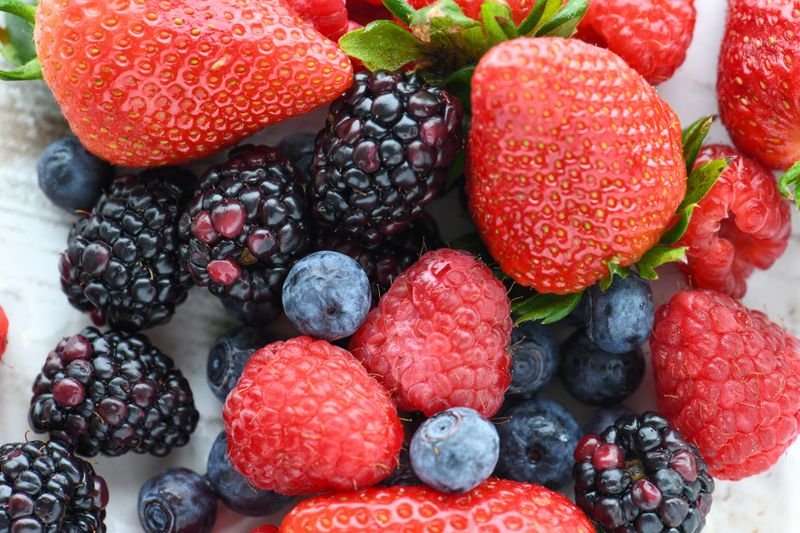
Compote is one of the most forgiving things you can make on a stovetop: fruit, a little sugar, and gentle heat, simmered until the fruit softens and releases its own juices into a loose, chunky sauce. The basic idea barely changes whether you're starting from a bowl of fresh berries or a bag straight out of the freezer, but the details that determine how it turns out — cooking time, how much liquid to add, and how much sugar to use — shift quite a bit depending on which one you're working with. Treating frozen fruit exactly like fresh, or vice versa, is the most common reason a compote turns out too watery, too thick, or oddly bland.
What compote is, structurally
Compote breaks down fruit's cell walls with heat, releasing its natural juice and pectin, which thickens slightly as it cooks and reduces. Unlike a jam, it isn't cooked down to a spreadable set, and unlike a smooth sauce, the fruit pieces mostly stay identifiable rather than being pureed. The sugar added isn't just for sweetness — it also draws moisture out of the fruit through osmosis and helps control how much the fruit breaks down versus holds its shape.
Starting from fresh fruit
Fresh fruit generally needs a small amount of added liquid, like water, juice, or a squeeze of lemon, since ripe fruit on its own doesn't always release enough juice quickly to prevent scorching at the bottom of the pan before it softens. Fresh fruit also tends to cook a bit faster than frozen, since it starts at room or refrigerator temperature rather than below freezing, and it holds its shape a little better through cooking because its cell structure hasn't already been damaged by ice crystals.
Starting from frozen fruit
Frozen fruit comes with a built-in complication: ice crystals rupture cell walls as they form, so frozen fruit releases far more liquid as it thaws and cooks than the same fruit would fresh. That means frozen-fruit compote usually needs little to no added liquid at all, and it often benefits from a slightly longer simmer specifically to reduce that extra liquid back down to a properly thickened consistency, rather than to soften the fruit itself, which is already quite soft from freezing.
Adjusting sugar for frozen fruit's diluted flavor
Because frozen fruit releases more water, its flavor is effectively more diluted in the pan than fresh fruit's flavor is, even when it's the same variety and ripeness. Recipes that use a flat sugar amount regardless of fresh or frozen can end up too sweet relative to fruit flavor with frozen fruit, since the fruit itself is contributing more water and proportionally less concentrated flavor. Tasting partway through and adjusting sugar near the end, rather than committing to a fixed amount at the start, works better across both.
Thickening a watery compote
If a frozen-fruit compote still seems thin after a reasonable simmer, the fix is almost always more reduction time rather than a thickener — simmering uncovered lets excess liquid evaporate and concentrates both flavor and texture. A small cornstarch slurry works if you want to thicken without extending cooking time further, but it mutes the bright, cooked-fruit flavor slightly and gives a glossier, less natural-looking sauce than reduction alone.
Texture differences in the finished compote
Fresh-fruit compote tends to hold more distinct fruit pieces, since the fruit wasn't already broken down by freezing before it hit the pan. Frozen-fruit compote generally turns out softer and more homogenous, with fruit pieces that mostly collapse into the sauce rather than staying intact. Neither texture is wrong; the choice mostly comes down to whether you want a compote with visible fruit chunks for a parfait or topping, or a softer, more sauce-like compote for pouring over pancakes or stirring into yogurt.
Fresh vs frozen at a glance
| Factor | Fresh fruit | Frozen fruit |
|---|---|---|
| Added liquid needed | A little water or juice | Usually none |
| Cook time | Shorter, fruit softens quickly | Longer, mostly to reduce extra liquid |
| Sugar | Add to taste as fruit cooks | Add gradually, tasting late in cooking |
| Final texture | More distinct fruit pieces | Softer, more homogenous |
Common mistakes
- Adding the same amount of liquid to frozen fruit as a recipe calls for with fresh fruit.
- Adding all the sugar up front instead of tasting as the fruit's flavor concentrates.
- Simmering frozen-fruit compote covered, which traps steam and slows down the reduction it actually needs.
- Expecting frozen-fruit compote to hold distinct fruit pieces the way fresh fruit does.
- Reaching for a cornstarch slurry before giving the compote more time to reduce naturally.
Frequently asked questions
- Do I need to thaw frozen fruit before making compote?
- No — frozen fruit can go straight into the pan; thawing first just adds an extra step without changing the result much.
- Can I mix fresh and frozen fruit in the same batch?
- Yes, and it's a common way to balance texture and liquid — the fresh fruit holds some shape while the frozen fruit's extra juice helps the sauce come together.
- How long does fruit compote keep in the fridge?
- Most fruit compotes keep well for about a week refrigerated in a sealed container; citrus-based or lower-sugar versions may keep slightly less.
- Can compote be frozen for later?
- Yes — compote generally freezes well for a few months; the texture may soften slightly further after thawing, which usually isn't noticeable once it's warmed and served.
Sources: published culinary technique references on fruit cell structure and the effects of freezing on produce; general culinary education materials on compote cooking methods and sugar's role in fruit preparation.