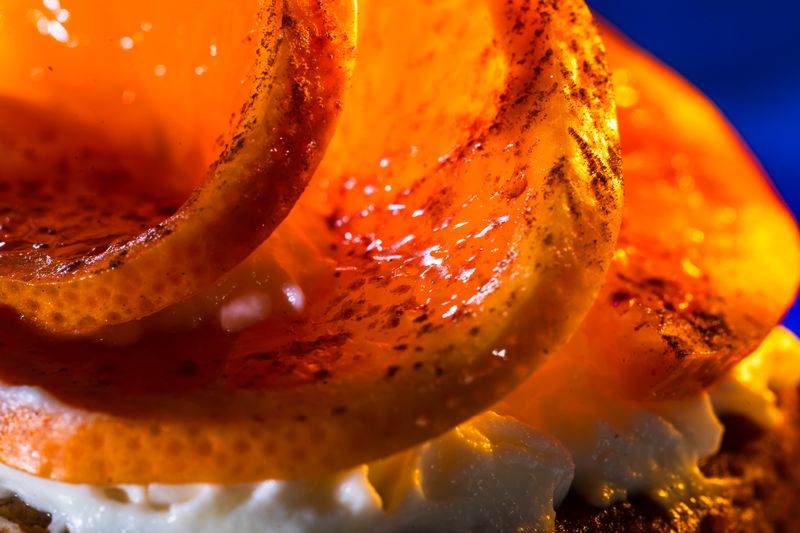
Candied citrus peel and citrus syrup are, in a real sense, two products made from the same pot at the same time. The traditional method simmers citrus peel in a sugar syrup until the peel turns translucent and candy-like, and the syrup it was simmered in comes out the other end infused with real citrus oil and flavor, ready for its own use in drinks and desserts. Treating it as a single two-for-one process, rather than two separate recipes, is both more efficient and a better way to understand why each step works the way it does.
Why Citrus Peel Needs Special Treatment
Citrus peel, especially the white pith layer just under the colorful skin, is intensely bitter raw and far too tough to eat comfortably. The candying process does two jobs at once: a preliminary blanching step pulls out much of that bitterness, and the extended simmer in sugar syrup both sweetens the peel and slowly softens its tough structure until it turns tender and translucent. Skipping either step leaves you with peel that's either too bitter to enjoy or too tough to chew comfortably.
Preparing the Peel: Blanching for Bitterness
Most methods call for cutting the peel into strips, then boiling it in plain water for a few minutes, draining, and repeating that blanch two or three times with fresh water each round. Each blanch pulls out more of the bitter compounds concentrated in the pith. Skipping or shortening this step is the most common reason homemade candied peel tastes unpleasantly bitter compared to a commercial version.
The Simmer: Building the Syrup
After blanching, the peel goes into a pot with sugar and water in a ratio similar to a rich simple syrup, then simmers gently — not boiling hard, which can scorch the sugar and toughen the peel — until the strips turn translucent and take on a slightly jelly-like look at the edges. This simmer is doing double duty: softening and sweetening the peel while the peel's citrus oils and a little zest flavor leach into the surrounding syrup.
Separating the Two Products
Once the peel looks translucent, lift the strips out with a fork or slotted spoon and set them on a rack to dry; this is the candied peel. The syrup left behind in the pot is the citrus syrup, already carrying real citrus flavor from the peel's oils, and it can be strained for clarity if you want a completely smooth pour. From a single batch, you end up with a chewy, sugar-coated confection and a flavored syrup for drinks or desserts, without running the stove twice.
Finishing the Candied Peel
After drying, most recipes toss the strips in granulated sugar for a classic candied-peel texture and to keep the pieces from sticking together in storage. Letting the strips dry on a rack for several hours, or overnight in a dry climate, before tossing them in sugar gives a better final texture than rushing straight from the syrup pot into the sugar coating while they're still wet.
What to Do With the Citrus Syrup
The syrup works well stirred into sparkling water or cocktails, drizzled over pancakes or yogurt, or brushed onto a cake as a flavoring soak. Because it carries real citrus oil rather than just juice, it has a brighter, more aromatic character than a syrup made from citrus juice alone, closer to the way citrus zest smells than the way citrus juice tastes. A spoonful whisked into a vinaigrette also adds citrus depth without the extra acidity that straight juice would bring, which makes it useful well beyond drinks and desserts.
Because the syrup absorbs flavor compounds from the peel's essential oils rather than just sugar and water, small batches are often more intensely flavored than the volume suggests. A tablespoon or two is usually enough to perfume a glass of soda water or a simple cake soak, so it's worth tasting and diluting before using it the way you might use a plain fruit syrup in larger amounts.
| Stage | What happens | Why it matters |
|---|---|---|
| Blanching (2–3 rounds) | Pulls bitterness out of the pith | Prevents an unpleasantly bitter final product |
| Simmer in sugar syrup | Softens peel, infuses syrup with citrus oil | Produces both candied peel and flavored syrup |
| Drying the peel | Firms up texture before sugar coating | Keeps pieces from clumping in storage |
| Straining the syrup | Removes any loose zest or pith fragments | Gives a clear, smooth pouring syrup |
Common mistakes
- Skipping the blanching rounds, leaving the candied peel unpleasantly bitter.
- Boiling the syrup hard instead of simmering gently, which can scorch the sugar and toughen the peel instead of softening it.
- Coating the peel in sugar while it's still wet from the syrup, causing the sugar to dissolve into a sticky mess instead of a dry coating.
- Discarding the leftover syrup, missing out on a flavorful byproduct that took no extra effort to produce.
- Using peel from waxed or heavily treated citrus without washing it thoroughly first.
Frequently asked questions
- Which citrus works best for candying?
- Thick-skinned citrus like oranges, grapefruit, and lemons works well since there's more peel to work with; thin-skinned limes can be candied too but yield less per piece.
- How long does candied citrus peel keep?
- Stored in a sealed container at room temperature, candied peel typically keeps for several weeks; refrigerating extends that further.
- Can I skip the sugar coating on the candied peel?
- Yes, some recipes leave the peel glossy and uncoated, often for dipping in chocolate afterward instead of tossing in sugar.
- Does the citrus syrup need refrigeration?
- Yes, since it has more water content than a straight sugar syrup due to the peel's released moisture; refrigerate it and treat its shelf life similarly to other homemade fruit syrups.
Sources: published culinary technique references on candying methods and citrus peel preparation; general food science references on bitter compound extraction and sugar syrup concentration.