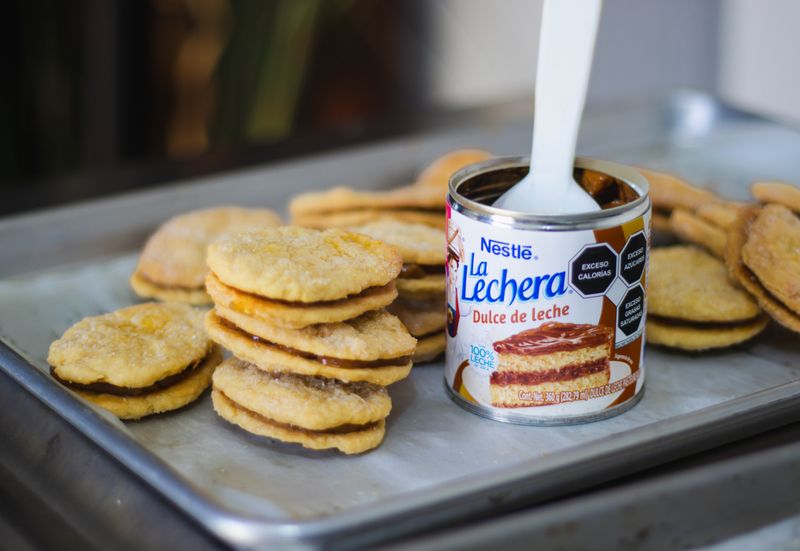
Dulce de leche is milk and sugar cooked slowly until the milk's natural sugars brown and the whole mixture reduces into a thick, caramel-colored spread. It's a staple across Latin America, used on toast, folded into pastries, or spooned straight over ice cream. There are three common home methods — simmering sweetened condensed milk on the stovetop, baking it in the oven, and boiling a sealed can — and they differ mainly in how hands-on they are and how much supervision they need. This guide walks through all three and flags the safety point that matters most.
What makes dulce de leche different from caramel
Caramel comes from browning sugar on its own; dulce de leche comes from a slower reaction between milk proteins, milk sugars (lactose), and added sugar, cooked over low heat for an extended time. This is closer to the browning that happens on toasted bread than to classic sugar caramelization, which is why dulce de leche has a rounder, more toasted-milk flavor rather than the sharper, more bitter edge caramel can get if pushed too far.
Method one: stovetop with sweetened condensed milk
Pour a can of sweetened condensed milk into a heavy saucepan and cook over low heat, stirring frequently, for 60 to 90 minutes. The mixture will slowly darken from pale yellow to a deep amber-brown and thicken as it goes. Frequent stirring is what prevents it from sticking and scorching on the bottom of the pan; this method needs the most attention of the three, but gives the most control, since you can stop cooking at the exact color and thickness you want.
Method two: baking in the oven
Pour sweetened condensed milk into an oven-safe dish, cover tightly with foil, and set it in a larger baking dish filled partway with hot water (a water bath). Bake at around 425°F for 60 to 90 minutes, whisking the milk smooth once it's done, since it will look curdled or separated straight out of the oven before whisking brings it back together. This method needs less constant attention than the stovetop version, but still needs occasional checking of the water level in the bath so it doesn't run dry.
Method three: boiling a sealed can
Submerging an unopened can of sweetened condensed milk in a pot of simmering water for 2 to 3 hours is the most hands-off method, but it comes with a real safety caveat: the can must stay fully submerged in water at all times. If the water level drops and the can is exposed to dry heat, pressure can build up enough to cause the can to burst. Anyone using this method should check the water level periodically and top it up, and should let the can cool completely in the water before opening it, since it stays under pressure while hot.
Comparing the three methods
| Method | Time | Attention needed | Main risk |
|---|---|---|---|
| Stovetop | 60–90 minutes | High, frequent stirring | Scorching on the bottom of the pan |
| Oven water bath | 60–90 minutes | Low to moderate | Water bath running dry |
| Boiled sealed can | 2–3 hours | Low, but must monitor water level | Can bursting if it runs dry |
Judging doneness and texture
All three methods are ready when the mixture is a deep amber-brown and thick enough to coat a spoon; it will thicken further as it cools, the same way caramel and butterscotch do. If you want a pourable sauce rather than a thick spread, pull it slightly earlier and thin it with a splash of warm milk or cream after cooking. A batch that looks grainy once it has cooled can usually be smoothed out by gently rewarming it with a little milk and whisking.
Storing and using it
Finished dulce de leche keeps in a sealed jar in the refrigerator for about three to four weeks. It firms up when cold, so let it sit at room temperature or warm it gently before spreading or drizzling. It works as a cake filling, a dip for sliced apples, a swirl in ice cream, or a topping for pancakes and waffles.
Common mistakes
- Letting the water bath or boiling pot run low, which is the main cause of scorched batches or, with the canned method, can damage.
- Stirring the oven version partway through baking, which can cause it to curdle further instead of smoothing out.
- Opening a boiled can while it's still hot and under pressure, instead of letting it cool fully in the water first.
- Judging the stovetop version by time alone rather than by color and thickness, since stove heat varies.
Frequently asked questions
- Is boiling a sealed can actually safe?
- It can be done safely as long as the can stays fully submerged in water the entire time and is allowed to cool completely before opening. Many cooks prefer the oven or stovetop method specifically to avoid this risk.
- Can I make dulce de leche from scratch without canned milk?
- Yes, by slowly simmering whole milk with sugar and a pinch of baking soda for several hours, though this takes longer and reduces a larger volume of liquid than the condensed-milk methods.
- Why did my dulce de leche turn out grainy?
- Graininess usually comes from sugar crystallizing during long, slow cooking. Whisking in a small amount of warm milk while rewarming usually smooths it back out.
- Is dulce de leche the same as caramel sauce?
- No. They look similar, but dulce de leche comes from browning milk and sugar together over a long cook time, while caramel sauce comes from browning sugar on its own and adding cream afterward.
Sources: general food science references on the Maillard reaction and lactose browning in dairy; standard home-canning and food-safety guidance on the risks of heating sealed cans.