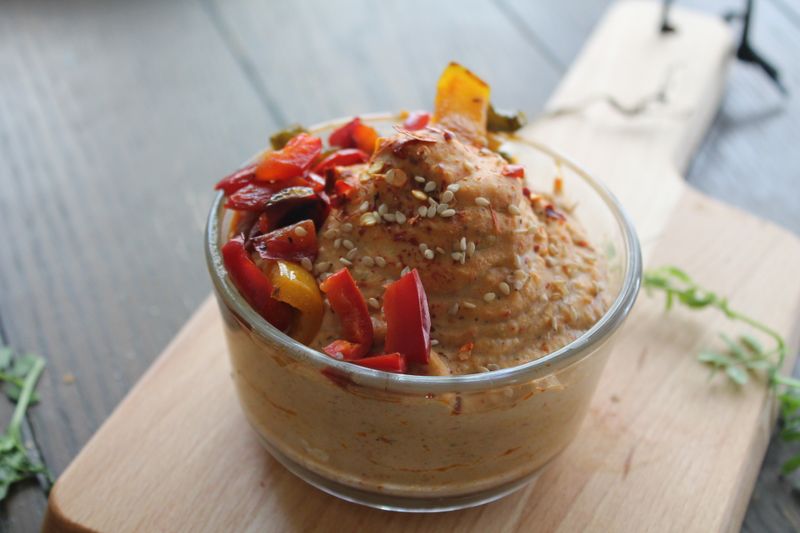
Romesco is a sauce from Catalonia, in northeastern Spain, built around roasted red peppers, tomato, garlic, and toasted nuts or bread, bound with olive oil. It began as a fisherman's sauce associated with the Tarragona coast, traditionally made with the dried peppers called nyora, and today it shows up both in home kitchens and as a defining feature of the calçotada, a springtime meal centered on grilled calçots (a type of young, mild onion). The sauce's character comes from roasting and toasting almost every ingredient before it's blended, which gives it a depth that a sauce of raw vegetables alone can't reach.
The regional roots of romesco
Romesco's name is tied to its Tarragona origins, and older accounts describe it starting as a fish stew seasoning before it became the standalone sauce known today. The traditional recipe calls for nyora peppers — small, round, dried peppers specific to the region — rehydrated and scraped for their flesh. Outside Catalonia, dried nyoras can be hard to find, and many versions substitute other dried mild chiles or roasted fresh red peppers, which shifts the flavor somewhat but keeps the sauce's core identity: smoky sweetness from the peppers, balanced against nuts, garlic, and acid.
What goes into the base
A standard romesco combines roasted red peppers (or rehydrated dried peppers), roasted or sun-dried tomato, garlic, toasted almonds and/or hazelnuts, a piece of bread fried or toasted until crisp, sherry vinegar, and olive oil. The bread is a textural anchor as much as a flavor one — it absorbs oil and vinegar and helps the sauce emulsify into something thick enough to coat grilled food rather than run off it. Smoked paprika sometimes reinforces the smokiness that roasting the vegetables already provides.
Why roasting matters more here than in most sauces
Raw red pepper and raw tomato both taste sharp and watery compared to their roasted versions. Roasting drives off water, caramelizes natural sugars, and develops the deeper, slightly smoky flavor that defines romesco; skipping this step and using raw vegetables produces a sauce that's technically similar but misses the character that makes romesco recognizable. The same logic applies to the nuts and bread — toasting them before blending, rather than using them raw, adds a roasted, slightly bitter edge that balances the sauce's natural sweetness.
Building the texture with nuts and bread
Romesco's texture sits between a smooth sauce and a coarse paste, and how finely you blend it is partly a matter of preference. A food processor gives a quicker, smoother result; a mortar and pestle, used traditionally, produces a slightly coarser texture with more visible flecks of nut and pepper. The nuts and bread are what give the sauce body without needing egg or dairy, which also means romesco holds up well as a make-ahead sauce, since there's no emulsion stabilized by egg yolk to worry about breaking.
What romesco is traditionally served with
Romesco is most closely associated with the calçotada, where it's served as the dip for grilled calçots, eaten by hand. Beyond that specific meal, it's also used as a sauce for grilled or roasted vegetables, grilled fish and seafood, and roasted or grilled meats, and as a spread on bread. Its role across these dishes is consistent: adding richness, acidity, and a smoky-sweet depth to foods that are themselves cooked simply over fire.
How romesco differs from other Spanish sauces
Spanish regional cooking includes several other cold or room-temperature sauces built on vegetables and oil, and it's worth distinguishing romesco from its closer relatives rather than treating the category as one interchangeable sauce. Salsa brava, served with patatas bravas, is built around paprika and chile rather than nuts and bread, and has a thinner, more pourable texture. Alioli, common across the same region, is an emulsion of garlic and oil without any vegetable base at all. Romesco's identity rests specifically on the combination of roasted pepper, toasted nuts, and bread, which gives it both its thickness and its particular balance of sweetness and smokiness — a profile none of these other sauces share, even though all of them come from the same broader Spanish culinary context.
Romesco at a glance
| Component | Traditional choice | Common substitute |
|---|---|---|
| Pepper | Dried nyora pepper, rehydrated | Roasted fresh red pepper or other dried mild chile |
| Nuts | Toasted almonds and hazelnuts | Almonds alone |
| Thickener | Fried or toasted bread | Extra nuts, if avoiding bread |
| Acid | Sherry vinegar | Red wine vinegar |
| Served with | Grilled calçots (calçotada) | Grilled vegetables, fish, or meat |
Common mistakes
- Using raw peppers and tomatoes instead of roasting them, which skips the step that gives romesco its depth.
- Leaving out the bread or nuts entirely, which leaves the sauce thin and lets it separate rather than emulsify.
- Over-blending into a completely smooth puree, losing the slightly coarse texture that's traditional.
- Treating romesco as interchangeable with any roasted-red-pepper dip, when its identity depends on the specific combination of nuts, bread, and vinegar.
- Skipping the vinegar, which leaves the sauce tasting flat and overly rich.
Frequently asked questions
- What are nyora peppers, and do I need them?
- Nyoras are small, dried, mildly sweet peppers traditional to Catalonia. They give romesco its most authentic flavor, but roasted fresh red peppers or other dried mild chiles make a reasonable substitute if nyoras aren't available.
- Is romesco the same as roasted red pepper hummus?
- No. Hummus is built on chickpeas and tahini; romesco is built on roasted vegetables, nuts, and bread, with no legumes involved. The two share a roasted-pepper flavor note but have different structures.
- Can romesco be made ahead?
- Yes. Romesco keeps well refrigerated for several days, since it has no egg-based emulsion to break down, and the flavor often deepens slightly after a day.
- What's a calçotada?
- A traditional Catalan meal centered on calçots, a type of grilled young onion, charred over an open flame and dipped in romesco sauce.
Sources: documented culinary history sources on Catalan regional cuisine and the calçotada tradition; general culinary reference materials on roasted vegetable sauce composition and nut-and-bread thickening methods.