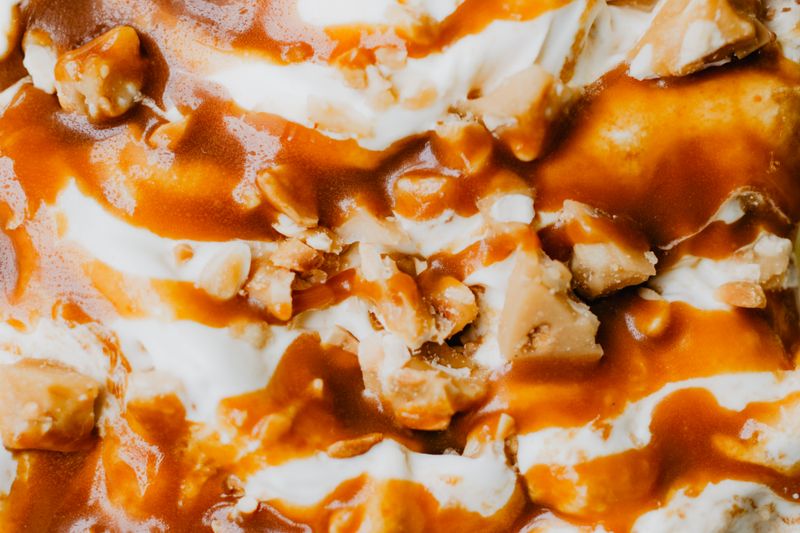
Butterscotch sauce has a reputation for needing special equipment or candy-making skill, but the version most home cooks actually want is a one-pot sauce made from butter, brown sugar, cream, and a pinch of salt — nothing a typical kitchen doesn't already have. It's thinner and more forgiving than hard butterscotch candy, and its flavor comes from a different reaction than the one that makes caramel, which is why the two taste distinct even though they look similar in the jar. This guide covers the ratio, the method, and the handful of places this sauce goes wrong.
What butterscotch sauce actually is
Butterscotch is built on browned butter and melted brown sugar, finished with cream. Because brown sugar already contains molasses, the sauce gets a deep, slightly smoky sweetness without needing to cook sugar all the way to the hard-crack stage. This is the main reason butterscotch is easier to make than caramel at home: the molasses does flavor work that caramel has to earn entirely from browning white sugar past its melting point.
The core ratio to memorize
A dependable starting ratio is equal parts butter and brown sugar by weight, with about half that amount of heavy cream, plus a pinch of salt and a splash of vanilla added off the heat. For example, 4 ounces of butter, 4 ounces of brown sugar (light or dark both work; dark gives more molasses flavor), and 2 ounces of cream makes roughly a cup of finished sauce. Scaling up or down just keeps that same 2:2:1 proportion.
Step-by-step method
Melt the butter in a heavy-bottomed saucepan over medium heat, then stir in the brown sugar until it's fully dissolved into the butter — this takes a minute or two of steady stirring, not high heat. Let the mixture bubble gently for 2 to 3 minutes without stirring constantly; this is where the flavor deepens. Remove the pan from heat and whisk in the cream in a slow stream — it will bubble up vigorously, which is normal. Once it settles, whisk in salt and vanilla, then let it cool slightly before using; it thickens further as it cools.
Butterscotch vs caramel: what actually differs
The two sauces get confused constantly because they land in a similar color and sweetness range, but the base sugar and the cooking method are different. Caramel starts from white sugar cooked until it melts and browns on its own (a process called caramelization), which produces a cleaner, more intensely sweet flavor with bitter edges if pushed too far. Butterscotch starts from brown sugar, which already carries molasses flavor, and is cooked gently in butter rather than taken to a true caramelized state. That's also why butterscotch is more forgiving: there's no narrow window where the sugar can suddenly scorch, the way there is with dry caramel.
Getting the texture right
Butterscotch sauce firms up noticeably as it cools, so judge it warm, not hot. If a warm sauce already looks thick enough to coat a spoon, it will likely set too firm once it's refrigerator-cold. For a pourable, room-temperature sauce meant for ice cream, stop cooking once it coats the back of a spoon in a thin, even layer. For a thicker version meant for layering into a cake or tart, cook it a minute or two longer and reduce the cream slightly.
Flavoring and storing it
Butterscotch takes well to small additions: a pinch of flaky salt for a salted version, a splash of bourbon or dark rum added after the cream, or a few grains of ground cinnamon. Store it in a sealed jar in the refrigerator for up to two weeks; it will solidify when cold, which is expected. Rewarm it gently in a double boiler or in short bursts in the microwave, stirring between each, rather than over direct high heat, which can cause the butterfat to separate out.
Butterscotch sauce at a glance
| Stage | What you're watching for | If it's off |
|---|---|---|
| Melting the sugar | Sugar fully dissolved into the butter, no grainy look | Keep stirring over medium heat a bit longer |
| Bubbling stage | Steady, even bubbling for 2–3 minutes | If it smells sharp or scorched, pull it off heat immediately |
| Adding cream | Vigorous bubbling that settles into a smooth sauce | If it looks broken or greasy, whisk vigorously off heat until it comes together |
| Cooling | Coats a spoon in a thin, even layer while still warm | Too thin cold: simmer a bit longer next batch; too thick cold: thin with a little warm cream |
Common mistakes
- Judging thickness while the sauce is still hot, then finding it's set like candy once it's cold.
- Adding cold cream straight from the fridge, which can shock the sugar and cause graininess.
- Using high heat to melt the butter and sugar together, which risks scorching the sugar before it fully dissolves.
- Reheating leftover sauce over direct high heat, which can separate the butterfat from the rest of the sauce.
Frequently asked questions
- Can I use light brown sugar instead of dark?
- Yes. Light brown sugar gives a milder, less molasses-forward flavor, while dark brown sugar makes a deeper, slightly smokier sauce. Both work with the same ratio.
- Why did my sauce turn out grainy?
- Graininess usually means the sugar didn't fully dissolve before the cream went in, or the cream was added too cold. Gently rewarming and whisking in a splash of warm cream can often smooth it back out.
- Can I make this dairy-free?
- A plant-based butter and a full-fat coconut cream can stand in for butter and heavy cream, though the flavor and set will be slightly different.
- Does butterscotch sauce need refrigeration?
- Yes, because of the cream and butter content. Treat it like any dairy-based sauce and keep it chilled, using it within about two weeks.
Sources: general culinary reference material on sugar cookery and caramelization chemistry; standard pastry technique references on dairy-based dessert sauces and their storage.