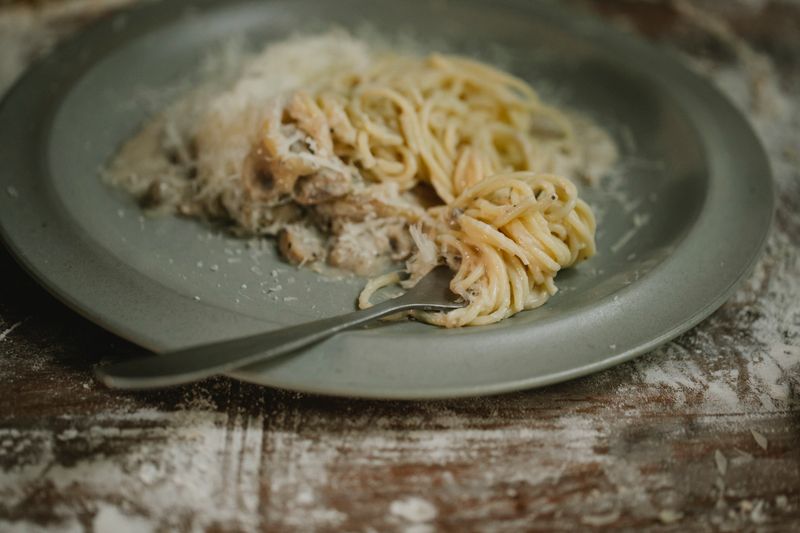
Mushroom cream sauce earns its place as a weeknight staple because it needs almost nothing special to taste finished: mushrooms, an aromatic or two, stock, and cream, built in one pan in under twenty minutes. The one real technical hurdle is getting the mushrooms properly browned instead of steamed, since that browning step is where most of the sauce's flavor actually comes from. This guide covers the method start to finish, including why cream sauces split and how to keep this one from doing it.
Why mushrooms work so well in cream sauces
Mushrooms carry glutamates and other savory compounds that intensify as they're browned, giving a mushroom cream sauce a deep, meaty backbone without any meat in it. Cream, in turn, is a gentle enough base that it doesn't compete with that flavor the way a heavily seasoned tomato sauce might. Together they make a sauce that reads as rich and savory while still coming together quickly, which is most of why the combination shows up so often in quick weeknight cooking.
Browning mushrooms properly
Mushrooms are mostly water, and if the pan is overcrowded or not hot enough, they release that water and steam in their own liquid instead of browning. Use a wide pan, don't crowd the mushrooms, and resist stirring too often in the first few minutes — let them sit long enough to form real color on one side before moving them. If liquid pools in the pan, let it cook off before expecting any browning to start; browning and steaming can't really happen in the same few minutes.
Building the sauce base
Once the mushrooms are browned, add a chopped shallot or onion and garlic, cooking just until softened, then deglaze with a splash of wine or stock to lift any browned bits stuck to the pan. Add the remaining stock and let it reduce slightly before adding the cream — adding cream too early, before the base liquid has concentrated, results in a thinner, less flavorful sauce even after a long simmer.
Why cream sauces split and how to prevent it
Cream sauces split when the fat and water in the cream separate, usually from too-high heat, too much acid added too quickly, or extended boiling. Once cream is in the pan, keep the heat at a gentle simmer rather than a boil, and add any acidic ingredient — wine, a squeeze of lemon — before the cream goes in, or at least stirred in slowly afterward rather than dumped in all at once. Heavy cream is more stable than half-and-half or light cream because of its higher fat content, which is why recipes default to it for sauces that need to hold up to reheating.
Adjusting thickness and flavor
The sauce thickens naturally as the cream reduces, but if it needs to move faster, a small cornstarch slurry stirred in and simmered for a minute will thicken it without extra reduction time. Finish with salt, black pepper, and a small amount of fresh herbs like thyme or parsley; a squeeze of lemon juice at the very end brightens what can otherwise be a flavor-flat sauce once the richness of the cream settles in.
Pairing with pasta, chicken, or rice
Over pasta, reserve a little pasta cooking water to loosen the sauce if it thickens too much once tossed with the noodles. Over seared chicken, the sauce can be built directly in the same pan the chicken was cooked in, following the same deglaze logic used in a pan sauce for beef. Over rice, a slightly thinner version works better than the thick, pasta-ready version, since rice doesn't have the same surface starch to help the sauce cling.
Making it ahead
This sauce holds reasonably well in the refrigerator for a few days, but it should be reheated gently over low heat while stirring, never brought back to a hard boil, since reheating is exactly the kind of high-heat moment that causes a previously stable cream sauce to split after the fact.
Cream types compared
| Cream type | Fat content | Stability under heat |
|---|---|---|
| Heavy cream | ~36% | High — best for sauces that will be reheated |
| Half-and-half | ~12% | Low — prone to splitting, best added off the heat |
| Light cream | ~20% | Moderate — simmer gently, avoid boiling |
Common mistakes
- Crowding the pan with mushrooms, causing them to steam instead of brown.
- Adding cream too early, before the base liquid has had a chance to reduce and concentrate.
- Boiling the sauce hard once cream is added, risking a split.
- Adding lemon juice or wine directly into hot cream all at once instead of gradually.
Frequently asked questions
- Can I use milk instead of cream?
- You can, but the sauce will be noticeably thinner and more prone to splitting, since milk has far less fat to stabilize it under heat.
- What mushrooms work best for this sauce?
- Cremini and white button mushrooms are the standard choice; a mix with a few wild mushrooms adds more complexity without much extra effort.
- Why does my sauce taste watery despite looking thick?
- The mushrooms likely weren't browned enough before the liquid was added, so the sauce has body from the cream but little of the savory depth that browning provides.
- Can this sauce be made dairy-free?
- A full-fat coconut milk or a cashew cream can substitute for dairy cream, though the flavor and mouthfeel will shift noticeably.
Sources: published culinary technique references on Maillard browning and dairy sauce stability; general cooking education materials on cream sauce construction.